Perfume Lens
Perfume LensLifestyle
4.110.00 Reviews
- Version
- 1.0.6
- Installs
- 10.00K
- Age Rating
- Everyone
Screenshots
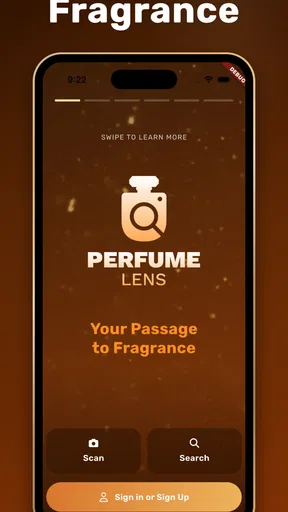
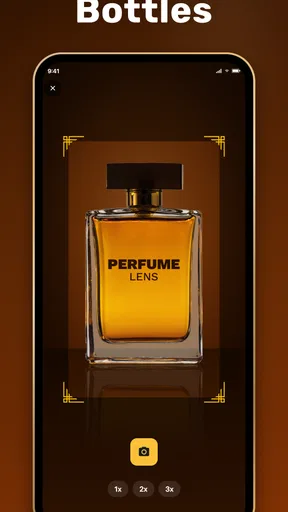
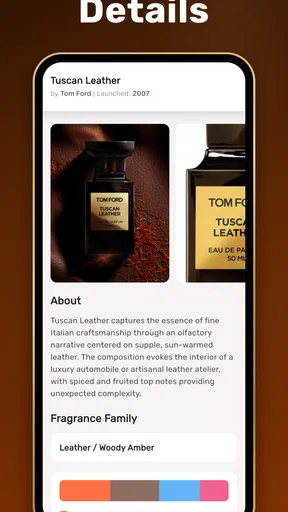
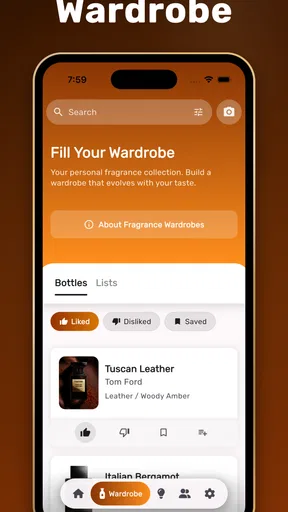
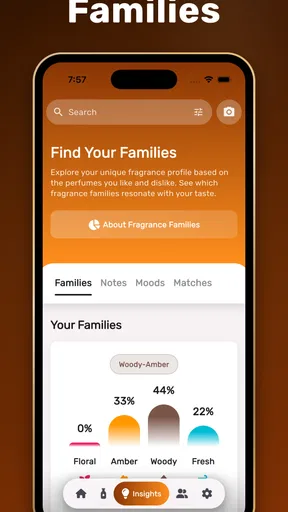
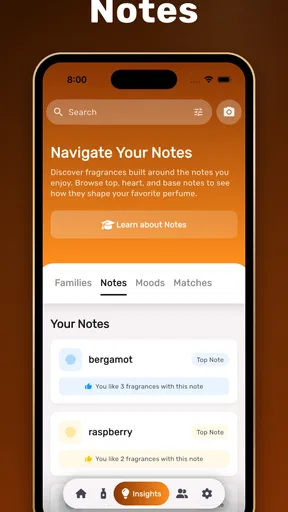
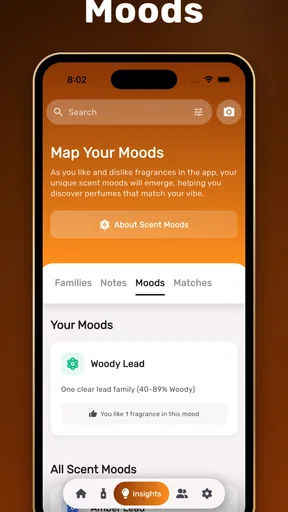
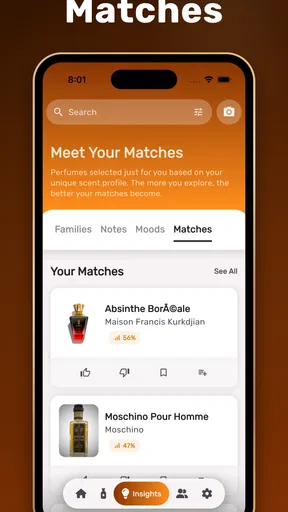
Our Review of Perfume Lens
 Analysis by Appyee
I approached Perfume Lens as a small but interesting lifestyle tool rather than another shopping app. Its central idea is simple: you photograph scents, keep them together, and use those discoveries to shape a personal Scent Match Profile. After spending time with that concept, my view is that it works best as a lightweight memory and exploration companion for fragrance lovers, not as a replacement for trying perfume in person.
That distinction matters. Perfume shopping is often messy: bottles look alike, names are easy to forget, and a scent that seems perfect in a store may feel very different after several hours on skin. Perfume Lens gives that process a more deliberate structure. Instead of relying on vague memories or scattered screenshots, I can treat my fragrance discoveries as a collection and return to them when I want to compare, browse, or understand my own preferences.
The app is free, aimed at Everyone, and comes from Perfume Lens. It belongs in the lifestyle category, where its value comes less from complex tools and more from helping me organize a personal interest. With an average rating of 4.1 from around 32 ratings and more than 10K installs, it has a modest but visible user base. I see it as an app with a focused purpose: useful when I want to build a scent habit, less useful if I only need a one-time answer about a bottle.
How the scent collection idea works in everyday use
The most appealing part of the experience is the camera-led starting point. Rather than asking me to build a fragrance library manually from a blank screen, the app encourages me to capture the scent I am looking at. That feels natural in a perfume shop, at a department counter, or while sorting bottles at home. A photo also preserves visual context that a typed name may not: the bottle shape, the label design, and the shelf where I found it can all help trigger recognition later.
I found this especially useful for casual browsing. Imagine visiting a store with several testers and discovering two or three fragrances that interest you. Without a dedicated record, I might remember only the color of one bottle and a vague impression of another. A quick capture gives each discovery a place in my collection. Later, when I am no longer surrounded by competing smells, I can revisit the group and think more clearly about what actually stood out.
The important caveat is that a photograph is not the same thing as a complete fragrance note. It can help identify and remember an item, but it does not replace the experience of wearing it. Scent changes with skin, weather, time, and personal perception. I would therefore use the camera as the first step in a review routine, not as proof that the app has fully understood the perfume.
The Scent Match Profile gives the collection a second layer. Instead of leaving captured items as a static gallery, the app is designed to turn those choices into a picture of my fragrance preferences. That makes the process more engaging than simply saving product images. I can imagine the profile becoming more useful as I add a wider range of scents, because repeated choices should reveal more about the kinds of fragrances I naturally notice and keep returning to.
There is a practical lesson here: I would not add only the perfumes I already love. To make a personal profile more meaningful, I would also capture scents I dislike, find interesting, or cannot decide about. Those borderline examples are often more informative than obvious favorites. They help separate a genuine preference from a temporary reaction to attractive packaging or a memorable store visit.
A better workflow than random fragrance bookmarking
My recommended routine is to use Perfume Lens in three passes. First, capture the bottle or scent when it catches your attention. Second, revisit the collection after some time rather than immediately judging everything together. Third, look for patterns in the profile and use those patterns to guide your next discovery. This turns the app from a digital scrapbook into a small personal experiment.
That workflow also reduces a common problem with fragrance apps: collecting too much without learning anything. If I photograph every bottle I see, the collection can become visual clutter. A more disciplined approach is to capture only scents that I would genuinely consider wearing, buying, gifting, or comparing. I would also keep a short personal note outside the app if I need to remember how a fragrance developed during the day, because the profile is most valuable for preference direction rather than detailed wear testing.
Another non-obvious advantage is decision fatigue. When I am choosing a fragrance gift, I often start with the recipient’s known tastes but quickly become overwhelmed by unfamiliar options. A personal scent profile can narrow the starting point. It does not make the decision for me, but it gives me a better question to ask: does this new scent resemble the kinds of bottles and impressions already associated with that person’s collection?
For my own use, I would separate discovery from purchasing. I could capture a fragrance in a store without immediately buying it, then return to the collection when I am ready to compare candidates. That is a healthier workflow than making an impulse purchase based on the first spray. It also makes the app relevant to people who enjoy perfume but are trying to spend more carefully.
Where the app feels more personal than ordinary alternatives
The usual alternative is a notes app, a camera roll, or a shopping wishlist. Those tools are flexible, but they leave the interpretation entirely to me. A camera roll can store a bottle image, yet it does not naturally express how that image fits my broader scent identity. A notes app can hold detailed impressions, but I have to design the system myself and remember to maintain it. A wishlist is useful for purchases, though it tends to treat fragrance as a product rather than an evolving preference.
Perfume Lens sits between those options. It is more focused than general-purpose storage and less transactional than a shopping list. The Scent Match Profile is the feature that gives it a distinct reason to exist. I am not merely saving bottles; I am building a visual record intended to reflect what I seek in fragrance.
That focus is also its limitation. Someone who wants exhaustive note pyramids, price tracking, ingredient research, community conversations, or a detailed wear diary may prefer a more specialized fragrance database or a combination of ordinary tools. Perfume Lens makes more sense for personal discovery than for researching every technical detail of a perfume.
The friction I would want new users to understand
The app’s simplicity can create uncertainty if I expect a fully developed perfume encyclopedia. Its store summary points toward snapping, collecting, and exploring, so I would approach it as a guided personal collection rather than an authority on perfumery. The profile can help me notice direction in my tastes, but I should not treat it as an objective verdict about what I will enjoy.
There is also a behavioral weakness: the quality of the result depends heavily on the quality of my collection. If I capture only a handful of familiar fragrances, the profile may give me a narrow picture. If I add items casually without reflecting on them, the result may represent my browsing habits more than my real preferences. That is not a failure of the concept, but it means the app rewards consistent use rather than a single enthusiastic session.
I would also be cautious about using it while rushing through a crowded shop. Taking a photograph is quick, but fragrance evaluation needs attention. If I capture bottles without remembering which ones I actually tested, I may later confuse visual interest with olfactory interest. My solution would be to capture only after smelling a scent or after deciding that it deserves a second look.
For people who are sensitive about camera-based experiences, the best approach is to use the app deliberately and review what is being added before building a large collection. I would treat each capture as a personal record, not as an automatic substitute for remembering the real-world context. That small pause improves the usefulness of the library.
Who will get the most from Perfume Lens
I think the strongest audience is the curious fragrance beginner. If you are starting to explore perfume and cannot yet describe your taste in precise terms, the app gives you a reason to collect examples and observe your own choices. You do not need to know the difference between every fragrance family before using it. Your captured discoveries become the starting material for learning.
It is also a good fit for people who browse more than they buy. Perfume can be expensive, and many shoppers want time to compare before committing. Capturing interesting options creates a personal shortlist that can be revisited later. In that situation, the app supports restraint rather than encouraging an immediate purchase.
Gift shoppers may find it useful as well. If I am looking for a present for someone who already wears fragrance, I can use their existing collection as a visual clue to the direction they enjoy. I would still ask about specific preferences where possible, but the profile could make the search less random and help me avoid choosing something that feels completely disconnected from their style.
Collectors can use it as a lighter companion to a more detailed inventory. For them, the value is not necessarily technical completeness. It is the ability to see a personal scent journey and identify recurring attraction across different bottles. That visual overview may reveal that I repeatedly choose similar moods even when the packaging and brand names differ.
On the other hand, I would skip it if my main goal is ingredient analysis, professional reviewing, or precise stock management. If I need batch details, purchase records, prices, wear duration, or a rigorous note archive, a dedicated spreadsheet or specialist fragrance service will probably serve me better. Perfume Lens is not the right choice simply because it involves perfume; its strength is the personal matching and collection angle.
Device fit, access, and the current state of the app
Perfume Lens is available as a free app for Android, with a minimum operating system requirement of Android 7.0. That makes it accessible to many older devices, although camera performance will naturally depend on the phone itself. A clear, well-lit image should be more useful than a rushed photo taken in a dim shop, so users with basic cameras may want to capture bottles near a window or under steady lighting.
The current version is 1.0.6, which places the app in an early stage of its development. I read that as both an opportunity and a reason to keep expectations measured. A focused first version can be pleasantly easy to understand, but early apps may feel less mature than long-established services with years of accumulated tools and databases.
The age rating of Everyone also matches the app’s general character. It is a personal lifestyle utility rather than an experience built around mature themes. That makes it easy to imagine using it casually at home with family members or introducing it to someone who is just beginning to explore scents.
Because it is free, the barrier to trying it is low. Still, “free” should not change the way I judge its usefulness. I would keep it installed only if the profile and collection change how I discover fragrances. If I merely take a few pictures and never return to them, the camera roll may be enough. The app earns its place when it becomes part of a repeatable habit.
Small habits that make the profile more useful
I would begin with a deliberately varied set of captures instead of filling the profile with near-identical choices. Include an everyday fragrance, a scent chosen for evenings, one that felt too strong, and one that seemed promising but uncertain. This creates contrast. A profile built from contrast can teach me more than one built entirely from safe favorites.
I would also avoid treating the first impression as final. A fragrance that feels ordinary in a shop may become appealing later, while an exciting opening may lose its charm. When I return to the app, I can use the collection to remember what deserves another test. That makes the tool valuable even when the profile itself is not the only thing I consult.
For couples or friends who share an interest in perfume, I would keep collections mentally separate and avoid assuming that similar bottle choices mean identical taste. The same image can represent different reasons for interest: one person may love the scent, another may be curious about the design, and a third may be considering it as a gift. Personal interpretation remains important.
Finally, I would use the profile as a prompt for questions rather than a rigid label. If it appears to point me toward a certain style, I would deliberately test one fragrance outside that direction. This prevents the matching concept from narrowing my exploration too quickly. The best personal profile should guide curiosity, not close it down.
My verdict after looking beyond the novelty
Perfume Lens has a clear thesis of its own: fragrance discovery becomes more useful when I record what catches my attention and let those choices form a personal pattern. That is more thoughtful than relying on memory, yet lighter than maintaining a full technical database. I appreciate that balance.
Its strongest evidence is the way the camera, collection, and Scent Match Profile fit together. Each part supports the next: capture a discovery, keep it available, then use the growing set to understand your direction. That chain gives the app a practical role in shopping, gifting, and learning about personal taste.
Its meaningful weakness is that the experience depends on active participation. A few random photos will not magically produce a reliable sense of identity, and the app should not be mistaken for a complete perfume research tool. Users who want exhaustive records or purchasing logistics may outgrow it quickly.
For me, the recommendation is straightforward. If you enjoy browsing scents, often forget which bottles interested you, or want a gentle way to understand your preferences, I would try it. If you need professional-level fragrance documentation or a comprehensive shopping database, I would choose a more specialized alternative. Perfume Lens is at its best when it turns casual scent curiosity into a personal, repeatable discovery habit.
As a free lifestyle app from Perfume Lens, it offers an approachable experiment with little commitment. I would not install it expecting every answer about perfume. I would install it to make my own answers easier to notice, remember, and refine over time.
Verdict
Strengths of Perfume Lens
- Identifies fragrance notes from photos quickly and conveniently.
- Useful for discovering similar perfumes before making a purchase.
- Simple interface makes the app easy for casual users.
- Can help organize and remember perfumes you have already tested.
- Provides inspiration when choosing a scent for different occasions.
Limitations of Perfume Lens
- Photo-based recognition may misidentify bottles or fragrance details.
- Results can vary depending on image quality and lighting.
- Some recommendations may require in-app purchases or subscriptions.
- The fragrance database may not include niche or regional brands.
- It cannot accurately predict how a perfume smells on your skin.
Similar Picks in This Category
View All
SmartThings
Samsung Electronics Co., Ltd.4.6

Google Home
Google LLC4.0

Pinterest4.2

Astrotalk - Talk to Astrologer
Astrology & Horoscope4.7

My Verizon
Verizon Consumer Group4.5

Samsung Wallet (Samsung Pay)
Samsung Electronics Co., Ltd.4.1
Frequently Asked Questions
What is Perfume Lens and what can I use it for?
Perfume Lens is designed to help fragrance enthusiasts explore perfumes through a visual and discovery-focused experience. Depending on the available features, you may be able to identify or browse fragrances, view scent information, compare perfume options, and find inspiration for your next purchase. It is best used as a helpful guide rather than a replacement for testing a fragrance personally, since scent perception can vary from one person to another.
Does Perfume Lens identify a perfume from a bottle or image?
The app may use your device camera or uploaded images to recognize perfume bottles and provide matching information, but recognition results can depend on image quality, lighting, packaging design, and the size of the fragrance database. A clear, front-facing photo usually gives the best chance of receiving an accurate result. If the bottle is uncommon or partially hidden, you may need to search manually or verify the suggested match.
Is Perfume Lens free to download and use?
Perfume Lens may be available as a free download, although some features can be limited by advertisements, in-app purchases, subscriptions, or account requirements. Before installing, check the app store listing for the current pricing structure and review any subscription terms carefully. If you only want basic fragrance discovery, the free version may be enough, while advanced tools could require a paid plan.
Does Perfume Lens require access to my camera, photos, or personal information?
If you use image-based perfume recognition, Perfume Lens may request permission to access your camera or photo library. These permissions should only be granted when you intend to use the related feature. It is also worth checking the app’s privacy policy to understand how uploaded images, searches, account details, and usage data are handled. You can usually manage or revoke permissions through your Android or iOS settings.
Can Perfume Lens tell me whether a fragrance will smell good on me?
Perfume Lens can provide useful information such as fragrance notes, perfume families, possible alternatives, and general descriptions, but it cannot guarantee how a scent will smell on your skin. Body chemistry, climate, application method, and personal preferences all affect the final result. Use the app to narrow down your choices, then test a sample or tester before buying a full-size bottle whenever possible.
